


Acne Calm Care: A Gentle and Effective Routine for Clearer, Healthier Skin


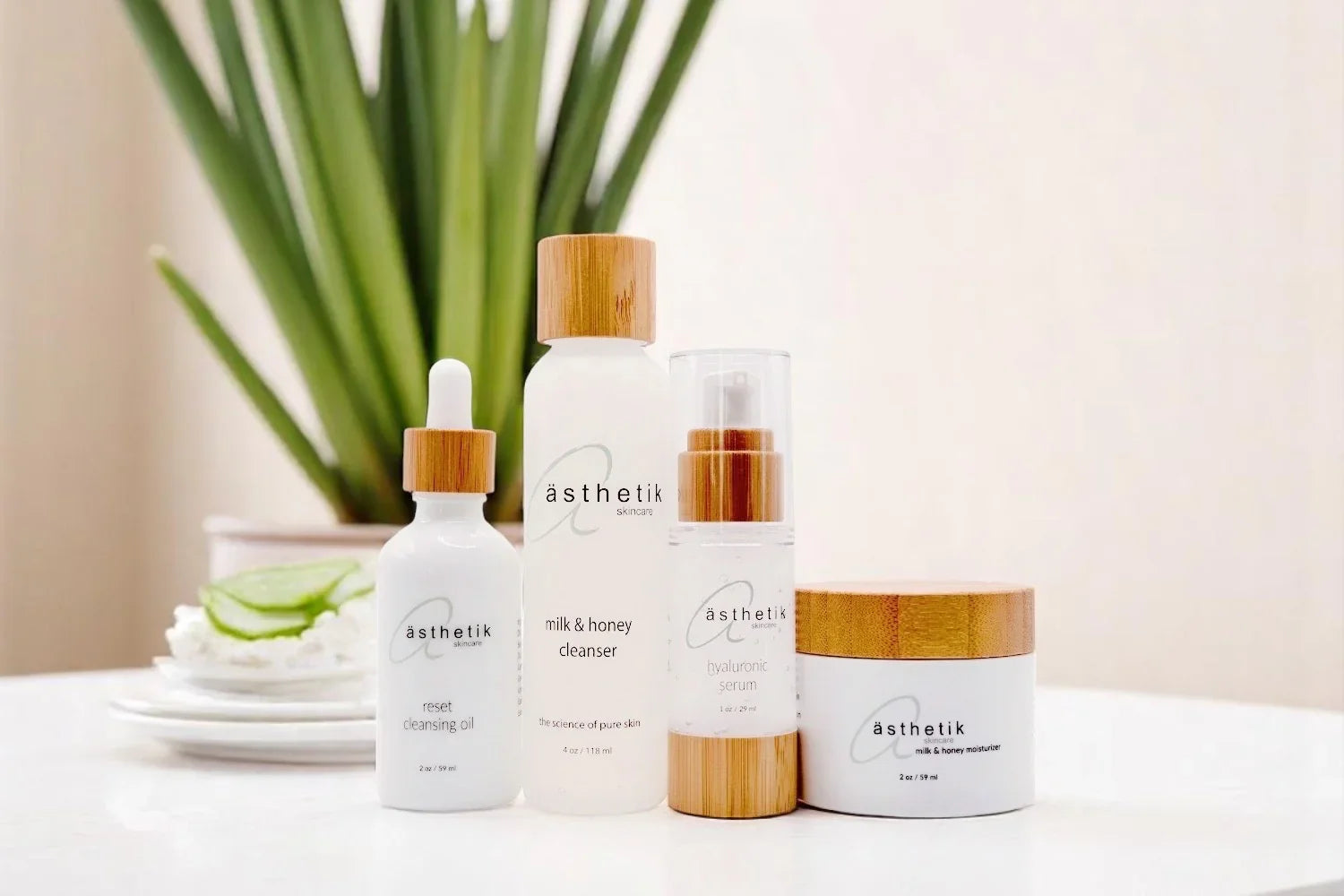
Acne can be frustrating at any age. Whether you’re dealing with occasional breakouts or persistent blemishes, building an Acne Calm Care routine is essential for restoring balance to your skin. Instead of harsh treatments that strip away moisture, a calming approach focuses on soothing inflammation, protecting the skin barrier, and supporting long-term clarity.
In this guide, you’ll discover how to create a gentle acne skincare routine, which ingredients to look for, and how to maintain clear skin without irritation.
What Is Acne Calm Care?
Acne Calm Care is a skincare approach designed to reduce redness, inflammation, and breakouts while maintaining hydration and skin barrier health. Many people make the mistake of over-cleansing or over-exfoliating, which often worsens acne. Calm care emphasizes balance.
Key goals include:
-
Reducing inflammation
-
Controlling excess oil
-
Supporting the skin barrier
-
Preventing post-acne marks
-
Maintaining hydration
This method works especially well for sensitive, combination, and acne-prone skin types.
Why Harsh Treatments Make Acne Worse
Many traditional acne products rely heavily on strong alcohol-based formulas or aggressive exfoliants. While they may dry out pimples temporarily, they can:
-
Damage the skin barrier
-
Increase redness and peeling
-
Trigger more oil production
-
Cause long-term sensitivity
A calm skincare routine focuses on repairing and protecting your skin rather than attacking it.
Essential Steps in an Acne Calm Care Routine
1. Gentle Cleanser
Use a low-pH, sulfate-free cleanser that removes dirt and excess oil without stripping your skin. Cleansing twice daily is usually enough.
Look for ingredients like:
-
Green tea extract
-
Chamomile
-
Mild salicylic acid (low concentration)
2. Calming Toner
A soothing toner helps rebalance the skin after cleansing. Avoid high-alcohol formulas.
Best calming ingredients:
-
Centella Asiatica
-
Aloe vera
-
Panthenol
These ingredients reduce irritation and strengthen the skin barrier.
3. Lightweight Serum
A serum targeted for acne-prone skin can address inflammation and oil control.
Effective ingredients include:
-
Niacinamide
-
Tea tree extract
-
Zinc
-
Hyaluronic acid
Niacinamide is particularly powerful because it reduces redness, controls oil production, and improves skin texture.
4. Non-Comedogenic Moisturizer
Hydration is critical. Even oily skin needs moisture. Skipping moisturizer can cause more breakouts due to increased oil production.
Choose:
-
Oil-free formulas
-
Gel-based textures
-
Barrier-repair ingredients like ceramides
5. Sunscreen (Daily Essential)
Sun exposure can worsen acne scars and inflammation. A lightweight, non-greasy sunscreen protects your skin without clogging pores.
Look for:
-
Mineral sunscreen for sensitive skin
-
Non-comedogenic labels
-
Matte finish formulas
Best Ingredients for Acne Calm Care
If you’re shopping for skincare, prioritize these ingredients:
-
Niacinamide
-
Centella Asiatica
-
Salicylic acid (gentle concentration)
-
Aloe vera
-
Green tea extract
-
Ceramides
-
Zinc
Avoid overusing strong retinoids or benzoyl peroxide unless recommended by a dermatologist.
Lifestyle Tips to Support Clear Skin
Acne care isn’t just about products. Healthy habits matter too.
-
Wash pillowcases regularly
-
Avoid touching your face
-
Manage stress levels
-
Stay hydrated
-
Maintain a balanced diet
Stress and lack of sleep can significantly worsen breakouts.
How Long Does Acne Calm Care Take to Work?
Consistency is key. You may notice reduced redness within 1–2 weeks. However, clearer skin typically takes 4–6 weeks of consistent use.
Avoid switching products too frequently. Give your skin time to adjust.
Final Thoughts
Acne Calm Care isn’t about aggressive treatments. It’s about restoring balance, calming inflammation, and protecting your skin barrier. When you prioritize soothing ingredients and gentle hydration, your skin can naturally recover and maintain long-term clarity.
If you struggle with chronic or severe acne, consult a licensed dermatologist for personalized advice.