


Blush Blindness Trend: When Is Too Much Blush… Too Much?

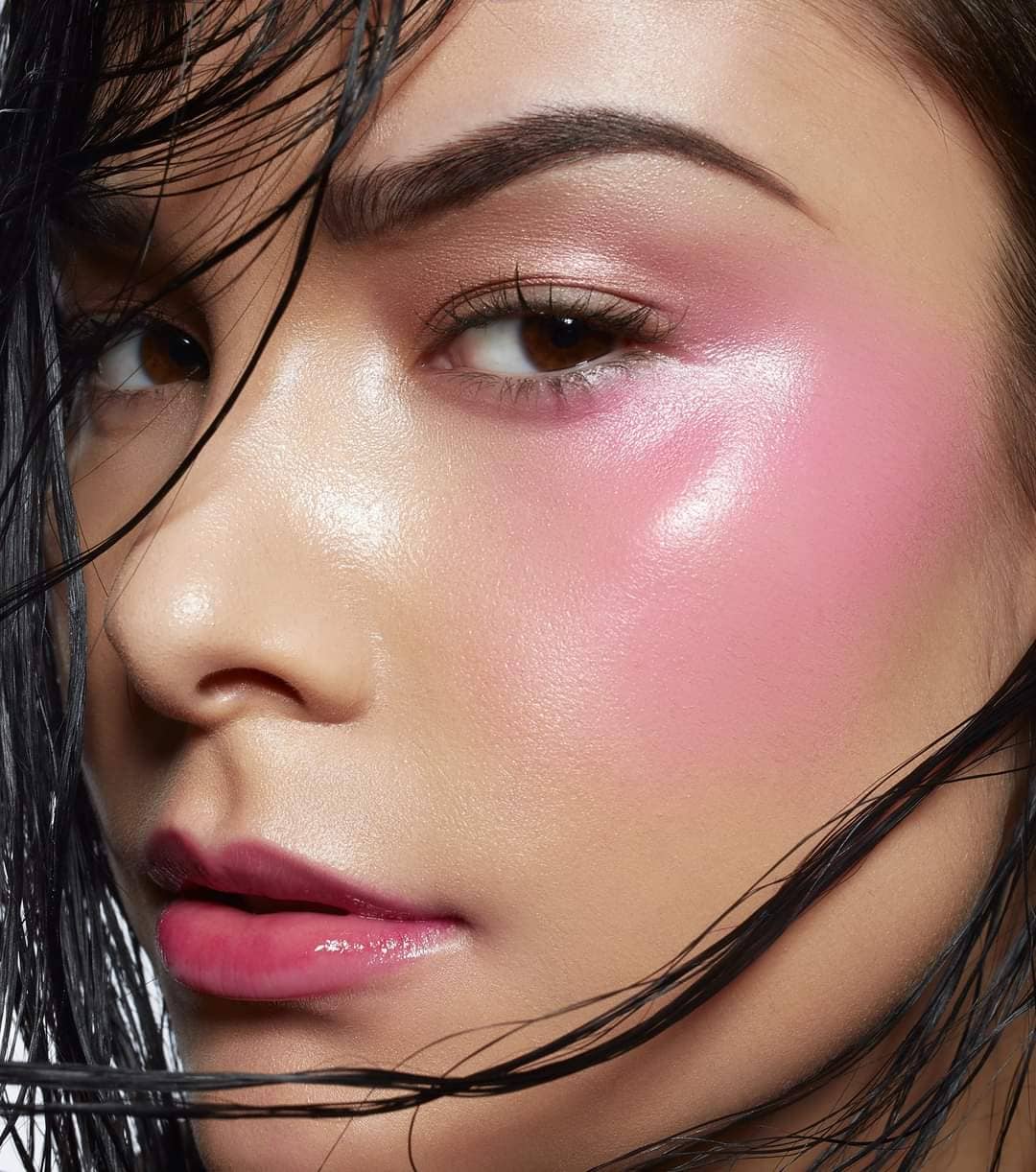

The Blush Blindness Trend has taken over TikTok, Instagram, and beauty YouTube — but not always in the way you’d expect. While blush is meant to add warmth and dimension to the face, “blush blindness” refers to applying so much blush that you no longer notice how intense it looks.
In the age of bold glam and ultra-pigmented formulas, this trend highlights the fine line between radiant and overpowering.
Let’s explore what blush blindness really means, why it happens, and how to avoid going overboard.
What Is Blush Blindness?
Blush blindness is a beauty phenomenon where someone continues layering blush because they become desensitized to the color intensity. After repeated blending and adding product, the brain adapts — making the heavy application seem “normal.”
This often results in:
-
Overly flushed cheeks
-
Blush extending too close to the under-eye
-
Harsh color contrast
-
Unbalanced makeup proportions
While bold blush can be intentional and artistic, blush blindness happens unintentionally.
Why Is the Blush Blindness Trend Popular?
1. Highly Pigmented Products
Modern cream and liquid blush formulas are extremely concentrated.
2. Social Media Filters
Filters soften harsh lines, making heavy blush appear more subtle on screen.
3. Trend Cycles
Makeup trends are shifting toward exaggerated placement — high cheekbones, nose blush, and under-eye blending.
4. “More Is More” Aesthetic
Current glam culture often favors dramatic, editorial-inspired looks.
How to Avoid Blush Blindness
✔ Start Small
Apply a light layer first. It’s easier to build color than to remove it.
✔ Check in Natural Light
Artificial lighting can distort color intensity.
✔ Step Back from the Mirror
Looking too closely makes heavy application harder to detect.
✔ Blend with a Clean Brush
Soften edges to prevent harsh lines.
✔ Balance the Face
If blush is bold, keep lips or eyes softer to maintain harmony.
When Bold Blush Works
Blush blindness isn’t always negative. In some cases, dramatic blush enhances a look:
-
Editorial fashion shoots
-
Festival makeup
-
Stage performances
-
Creative social media content
The key difference is intention. Controlled boldness looks stylish — accidental overload looks unbalanced.
The Psychology Behind It
Makeup artists often explain blush blindness as visual adaptation. When staring at your reflection for too long, your brain recalibrates to the dominant color. Similar to becoming nose-blind to perfume, you simply stop noticing intensity.
Taking short breaks during application helps reset your perception.
Final Thoughts
The Blush Blindness Trend reminds us that makeup is both art and perception. While bold blush can look stunning, balance is everything. Applying thoughtfully, blending carefully, and checking your look in different lighting ensures a radiant finish — not an accidental overload.
Confidence is key, but so is awareness.